Trends Rot, Assets Age: Why Your Next Project Should Have a Ten-Year Shelf Life
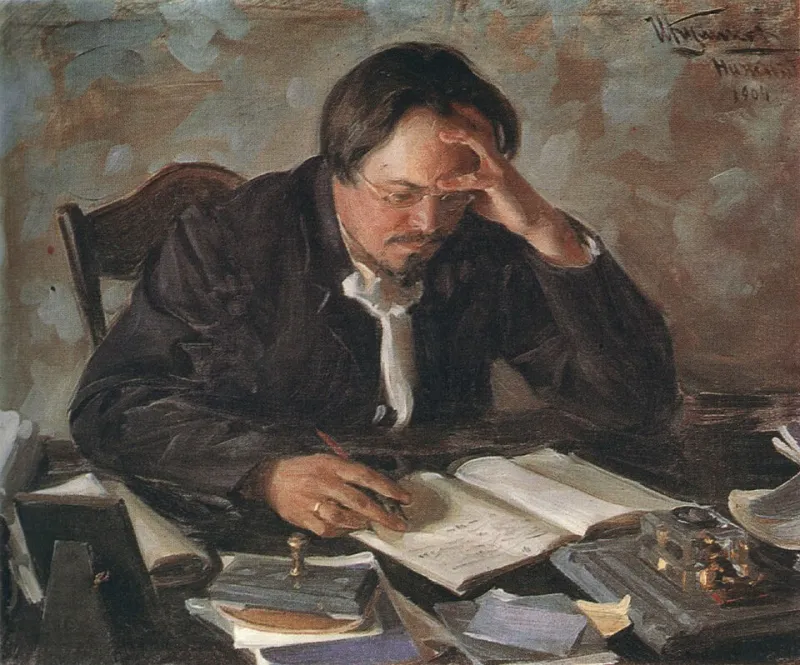
Photo: Shixart1985, CC BY 2.0, via Wikimedia Commons
A few years ago, I looked at my body of work and had an uncomfortable realization: almost nothing I'd made in the previous five years was still doing anything for me. The viral thread? Dead. The trend-chasing video? Irrelevant the week after I posted it. The hot-take essay? It aged like milk.
Meanwhile, a boring 2,000-word guide I wrote in 2019 was still pulling in emails from editors. A relationship I'd nurtured since a chance meeting at a coffee shop in Austin had turned into my biggest client. The pattern was staring me in the face, and I'd been ignoring it for years.
Here's the distinction that changed how I work: trend work depreciates, asset work compounds.
The Two Economies of Creative Work
Think of your output like a financial portfolio. Some things are day trades — they spike, they crash, they're gone. Others are index funds — unglamorous, slow, and quietly building value the entire time.
Trend work isn't bad. It pays the bills, builds short-term visibility, and teaches you speed. But it has a half-life measured in weeks. A TikTok format, a meme reference, a news-cycle opinion — all of it expires. And unlike a carton of eggs, expired content doesn't just sit there. It can actively make your portfolio look dated.
Asset work is different. It's the essay that still gets cited five years later. The skill — say, long-form interviewing — that makes every future project easier. The relationship with a fellow writer who ends up recommending you for a book deal. These things compound because they stack. Each new asset work builds on the last one.
The problem? Asset work looks boring on day one. Nobody claps for it. That's exactly why most creators never build any.
The Four Types of Creative Compound Interest
When I audit my own work, I sort everything into four buckets:
1. Evergreen pieces. Work that answers a question people will still be asking in a decade. "How to structure a pitch deck" outlives "my thoughts on this week's platform drama" every single time.
2. Transferable skills. Not "I learned CapCut in 2023," but "I became genuinely good at visual storytelling." Tools change; the underlying craft travels with you.
3. Relationship equity. The editor who knows you deliver on time. The peer who'd vouch for you in a room you're not in. These compound faster than anything else on this list.
4. Reputation artifacts. The one big thing — a book, a documentary, a signature project — that anchors everything else. Slow to build, nearly impossible to knock down.
The Ten-Year Audit: Four Questions, One Hour
Ready for the practical part? Take your current project list and run each one through these questions. Be honest — the audit only works if you don't lie to yourself.
Question 1: Will this still be true in ten years? If your project depends on a platform feature, a cultural moment, or a news cycle, it's a trend play. That's fine — but label it as such and don't invest more than it deserves.
Question 2: Does this make my next project easier or harder? Compound work creates leverage. If finishing something leaves you with a template, a skill, or a contact, it's compounding. If it leaves you with nothing but a publish notification, it isn't.
Question 3: Would I be proud to show this in 2035? Imagine a future collaborator scrolling your archive. Does this piece make you look like someone with a point of view, or someone who chased whatever was trending that month?
Question 4: Am I building this on rented land? A piece on your own site with your own domain is an asset. The same piece buried in a platform's algorithm is a lease — and landlords raise rents.
Score each project. Anything that fails three or more questions gets demoted: finish it cheap, or kill it. Anything that passes all four? That's where your best hours go.
The 70/30 Rule That Keeps You Honest
I'm not suggesting you go full monk and abandon timely work. Trend work is how you stay discoverable, and discoverability feeds everything else. My rule of thumb: spend roughly 70% of your creative time on compounding work and 30% on trend plays. The 30% keeps you culturally fluent and pays immediate bills. The 70% is quietly building the version of your career that doesn't need you to be lucky this week.
The uncomfortable truth is that most creators do the math backwards. They spend 70% of their energy reacting to what's hot and wonder why, five years in, they feel like they're starting over every January.
Your Future Self Is Watching
Here's the reframe that stuck with me: every project you start is a message to your future self. Trend work says, "I hope this still matters when you read it." Asset work says, "I made sure it would."
Ten years from now, one of those versions of you is going to be very glad you chose accordingly.