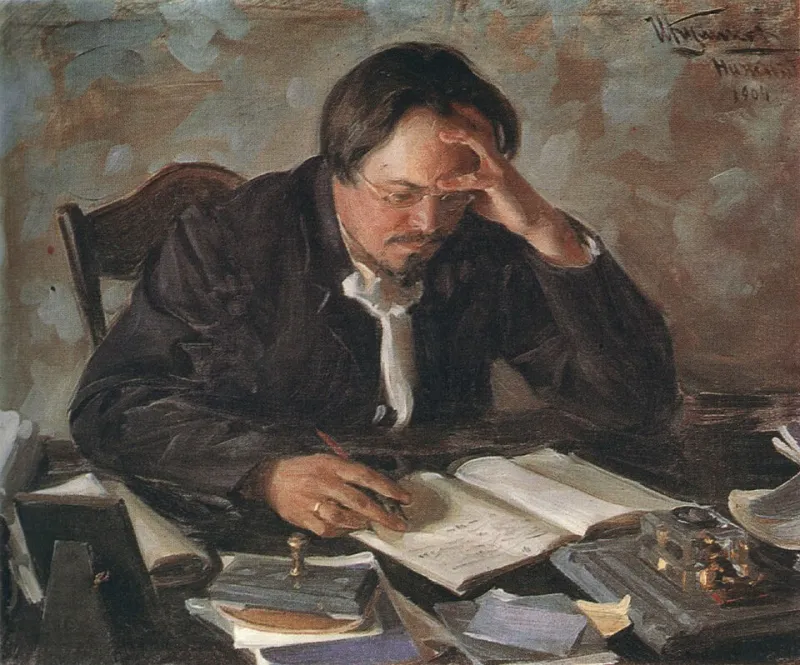
Keep the Day Job, Make the Art: The Case Against Burning It All Down
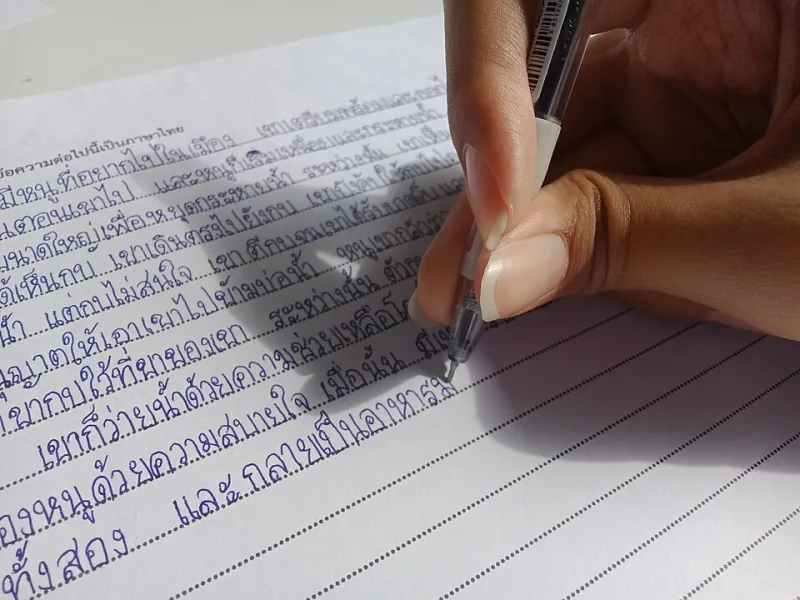
Photo: Jiafei Slay Queen, CC0, via Wikimedia Commons
Somewhere on the internet right now, a creator with six months of savings is filming a video titled "I QUIT MY JOB TO PURSUE MY DREAM." The thumbnail features their shocked face and a resignation letter. It'll do numbers.
I have nothing against this person. But I want to push back on the mythology, because it's doing real damage to a lot of talented people who are quietly concluding that their steady paycheck makes them a fraud.
It doesn't. Historically, it's made them part of some very good company.
The Day Job Hall of Fame
Let's run a quick list. Toni Morrison wrote her first novel while working as an editor at Random House, getting up before her kids to write at dawn. She'd go on to win a Pulitzer and a Nobel Prize. Stephen King taught high school English and worked as a janitor and laundry worker while writing his early novels. Franz Kafka is the poster child — an insurance clerk whose office job shaped the very texture of his fiction. Harper Lee worked as an airline reservation clerk while writing. Walt Whitman was a government clerk.
This isn't a coincidence or a quirky footnote. There's a pattern here, and it's worth understanding.
What a Paycheck Actually Buys a Creator
The obvious answer is money, but the real currency is something else: freedom of judgment.
When your rent depends on your art selling, every decision gets filtered through the market. You take the safe assignment. You sand down the weird edges. You write what you think they want, because "they" are the ones keeping the lights on.
But when your art doesn't have to pay the mortgage? You can take risks. You can write the strange book, make the uncommercial film, spend two years on a project nobody asked for. Paradoxically, the creators with day jobs often have more creative freedom than the ones who've gone all-in — because their work doesn't have to be a product to survive.
There's also a less discussed benefit: structure. A job gives your life a skeleton. Time becomes scarce, and scarcity sharpens focus. Ask anyone who's quit to write full-time and discovered that forty unstructured hours a week somehow produced less than fifteen stolen ones did.
The Real Problem Isn't the Job — It's the Resentment
Now, let's be honest about the failure mode, because it's real. The danger of working a job while creating isn't exhaustion. It's resentment — the slow poisoning of both your creative practice and your day job by the feeling that you're stuck, that you're a real artist being held hostage by a W-2.
Resentment shows up as skipped evenings, half-finished drafts, and a growing bitterness toward coworkers who have the audacity to talk about their weekends. Left unchecked, it kills the creative work entirely — and then you're just a person with a job and a graveyard of abandoned projects.
So if the day job isn't the enemy, what is? The unmanaged life around it. Here's how to manage it.
Strategies for the Two-Live Life
1. Schedule the creative work like a shift, not a mood. Don't wait to feel inspired after work — you'll wait forever. Pick your slots (mornings before work, lunch breaks, Saturday mornings) and treat them like you'd treat a shift at a second job. Non-negotiable, on the calendar, no debate.
2. Shrink the unit of work. If you only have 90 minutes on a weeknight, stop planning sessions that require four. Write one scene. Revise one page. Outline one section. Small, completable units build momentum; big, unfinishable ones build guilt.
3. Protect the recovery. Burnout doesn't come from doing two things — it comes from doing two things with zero buffer. Guard some genuinely empty time. A Tuesday night with no obligations isn't laziness; it's maintenance for the machine that does everything else.
4. Pick a day job that doesn't eat your creative fuel. If you can choose, favor work that leaves something in the tank. A job that's intellectually draining in a different domain can actually be restful for your creative brain. A job that's a soul-crushing drag on the exact same muscles? That's the one to engineer your way out of — not work itself.
5. Redefine what the job is for. This is the mindset shift that changes everything: your day job isn't the thing preventing your creative career. It's the thing funding it. Every shift buys supplies, time, and — most valuably — the right to make weird, unmarketable, honest work. Reframe it that way and the resentment loses its footing.
Quitting Isn't a Prize You Win
Look, going full-time on your creative work can be great. For some people, at some point, it's the right call. But quitting is not a graduation ceremony. It's not the level you beat the game at. Plenty of people do their life's best work while never making their art their paycheck — and plenty of people who burned the boats ended up making safer, worse work because the financial pressure demanded it.
So if you're creating in the margins right now — the early mornings, the lunch breaks, the weekends — stop apologizing for it. You're not a wannabe with a day job. You're a working artist with a patron, and the patron happens to be you.
Keep the job. Make the art. Let the mythology go.