Eight Quiet Paychecks: Where Storytellers Get Paid Without a Spotlight
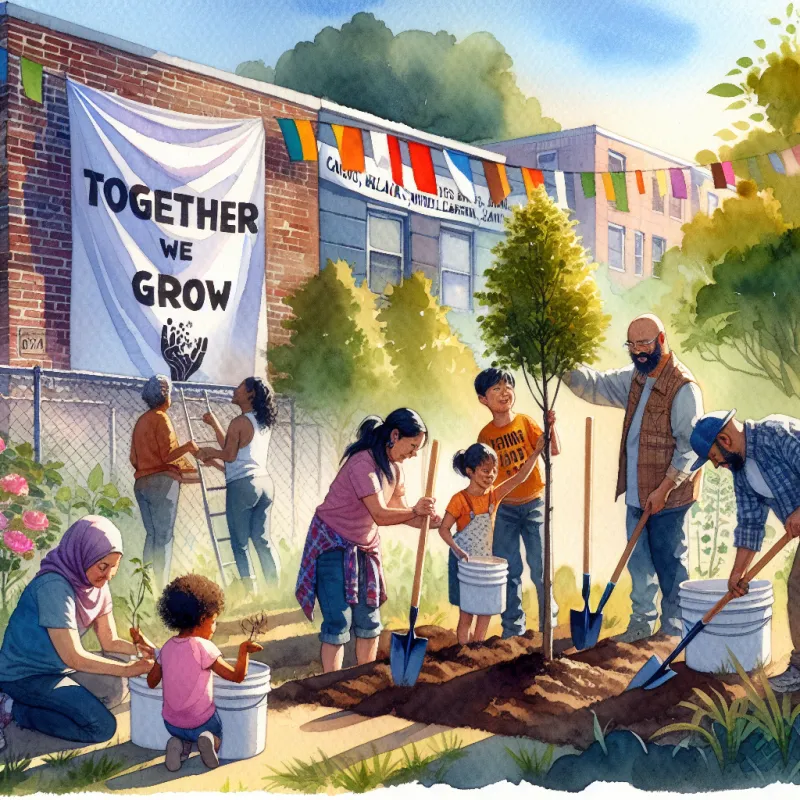
Photo: community library storytelling event, small audience, warm indoor setting, via i.pinimg.com
Not every paid storytelling gig comes with a stage, a spotlight, or a viral clip. In fact, the most reliable checks often come from rooms that never make it to social media. Libraries, museums, corporate training teams, and local festivals all need people who can tell a true story well and hold a room.
The work is not glamorous. That is the point. These gigs pay because they solve a real problem for an organization: they need programming, training, or entertainment that feels human. If you can pitch the room and deliver a clear, well-shaped story, you can build a quiet income stream while your louder creative projects develop.
Here are eight places to look in the US, how to pitch them, and why they can fund a creative career without demanding viral attention.
1. Public Libraries
Pitch the adult services or programming coordinator at your local library or library district. Offer a themed storytelling hour for adults, a local history performance, or a writing workshop that ends with a short reading. Libraries run on programming budgets and community trust.
The work is usually a 45- to 60-minute event, sometimes repeated at branches. Fees vary widely, but many libraries pay a modest honorarium or use grant funds. The advantage is recurrence: a good branch event can turn into a quarterly series, and librarians talk to each other.
2. Museums and Historical Societies
Pitch the education director or curator. Offer a first-person historical storytelling piece, an oral history performance, or a family-friendly story walk tied to an exhibit. Museums need programming that makes history feel alive without turning into a lecture.
The work involves research, scriptwriting, and performance, often with a rehearsal or preview. Institutional budgets can be slow, but they are real. This is a good fit for writers who like archives and for performers who can work cleanly in a non-theatrical space.
3. Corporate Training and Learning Teams
Pitch the learning and development manager, HR team, or sales enablement lead. Offer a storytelling workshop for presentation skills, client communication, or internal culture work. Companies pay for communication training because it maps to business outcomes.
The work is usually a half-day workshop, a lunch-and-learn, or a virtual session. You are not performing a show. You are teaching people how to shape a story, and you are using your own stories as examples. The pay is often better than arts gigs, and nobody expects you to have a TikTok following.
4. Colleges and Universities
Pitch student affairs, the writing program, the theater department, or a diversity and inclusion office. Offer a storytelling performance, a keynote with a workshop, or a guest session on narrative craft. Campus programming budgets exist for exactly this kind of event.
The work may include a performance, a Q&A, and a classroom visit. Fees vary by institution, but even small colleges often have speaker budgets. This is a steady path for storytellers with a specific topic or community connection.
5. Community Theaters
Pitch the artistic director or managing director. Offer a staged reading, a one-person show, or a storytelling night hosted in their lobby or black box. Community theaters need events that bring people in between mainstage productions.
The work involves rehearsal and a small number of performances. Pay may be modest or profit-share, so ask directly. The real value is a local audience and a relationship with a venue that can become a recurring home for your work.
6. Local Festivals and Arts Councils
Pitch the festival programmer or your city arts council. Offer a storytelling slot, a hosting role, or a workshop at a heritage festival, book festival, or community arts day. These events are often funded by grants and sponsorships.
The work can be a single set or a full day of hosting. Outdoor events are unpredictable, so prepare a flexible set. Festival fees are not always large, but they add up, and they put you in front of local organizers who book again.
7. Senior Living Communities
Pitch the activities director at independent living, assisted living, or community centers. Offer a reminiscence storytelling session, a memoir workshop, or a performance of short, warm stories. Activities directors are always looking for programming that residents actually enjoy.
The work is intimate and often daytime. It may be a one-off or a monthly series. The pay is usually modest but reliable, and the competition is low. It is also excellent practice for pacing, clarity, and audience connection.
8. Parks, Recreation, and After-School Programs
Pitch your city parks department, recreation center, or after-school program coordinator. Offer a storytelling camp, a nature story series, or a writing-and-performance workshop for kids and teens. Public programs need creative programming that fits a budget.
The work may be a series of sessions rather than a single gig. That makes it one of the more stable options on this list. You will need clear boundaries and a simple curriculum, but the pay can be consistent, and the audience is built in.
The Quiet Career Strategy
None of these gigs will make you famous. That is not the job. The job is to pay a few bills, sharpen your craft, and build relationships with people who book storytellers again. A library series can lead to a festival. A corporate workshop can fund a screenplay. A museum piece can become an essay.
Start with one room. Send one email. Offer one clear program with a fee and a date range. The spotlight is optional. The check does not have to be.