Audit the Version of You Google Built
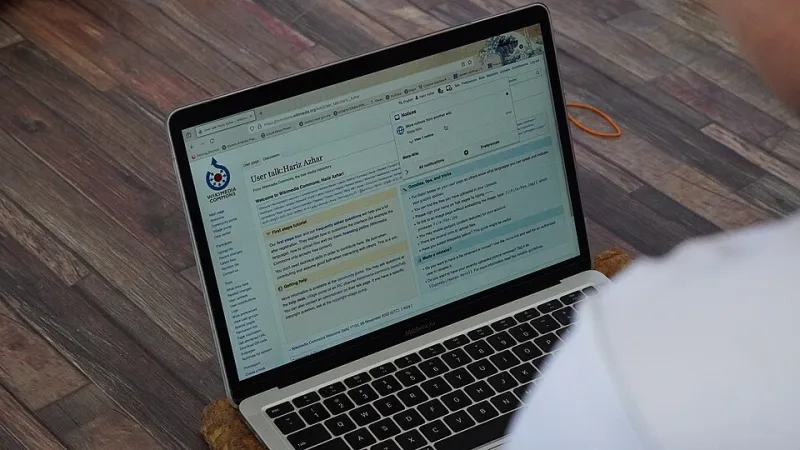
Photo: Geleparaplu, CC BY-SA 4.0, via Wikimedia Commons
Before anyone clicks your portfolio, they meet a different portfolio. It's the one assembled by search engines, social platforms, and other people's websites. It has old headshots, outdated job titles, a podcast episode you forgot you recorded, and a comment you left on a forum in 2019. It is not the story you would tell. It is the story that's already being told.
This is not a reason to panic. It's a reason to audit.
The first portfolio is a search result
When a hiring manager, editor, or collaborator hears your name, the first thing they do is type it into Google. What they see is a collage: your LinkedIn, your Instagram, maybe an old interview, a conference bio, a company page, a review, a mention in a newsletter. That collage is your real public portfolio. Your website is the second click.
The goal is not to control every result. You can't. The goal is to make sure the first page of results isn't lying about you, contradicting you, or making you look like you stopped existing in 2018.
Five layers of your public self
Start by mapping what's out there. Most people find five layers:
-
Search results. Your name, your name plus 'writer' or 'designer,' your name plus your city. Look at the first two pages. Screenshot anything weird.
-
Social profiles. LinkedIn, Instagram, X, TikTok, YouTube, Threads, Bluesky, whatever you actually use. Check the bio, the photo, the pinned post, the last time you posted.
-
Old interviews and features. Podcasts, panels, blog Q&As, guest posts. These are often the most outdated and the most credible to a stranger.
-
Stray mentions. Conference bios, company team pages, alumni pages, podcast show notes, Reddit threads, comments. These are the ones you forget.
-
Images. Search your name in Google Images. What shows up? An old headshot? A meme? A photo from a wedding? This is what people see before they read a word.
The 45-minute audit
Set a timer. Open a blank doc. Do this in one sitting.
Minute 0-10: Search. Google your name in a private window. Search your name plus your profession. Search your name plus your city. Note the first five results and anything that makes you wince.
Minute 10-20: Profiles. Open every social profile you can find. Check bio, photo, location, website link, and last post. Note anything that's outdated or off-brand.
Minute 20-30: Interviews and bios. Search your name plus 'interview,' 'podcast,' 'panel,' or 'bio.' Open the top five. Note the year, the job title they used, and whether the link still works.
Minute 30-40: Stray mentions. Search your name in quotes. Look for company pages, conference sites, and newsletters. Note anything that's wrong.
Minute 40-45: Images. Search Google Images. Note the first five photos. Are they yours? Are they current?
You now have a list. Don't fix anything yet. Just list.
Fix in order of embarrassment
Not everything needs fixing. Prioritize.
First: anything that is factually wrong. An old job title, a dead link, a bio that says you're based somewhere you left. These are the most damaging because they make people doubt the rest.
Second: anything that contradicts your current story. If your LinkedIn says you're a copywriter but your site says you're a brand strategist, pick one and update the other. If an old interview says you hate a genre you now work in, write a new sentence somewhere that shows you changed your mind.
Third: anything that is unprofessional but not dangerous. The old headshot. The abandoned blog with a post from 2014. The Twitter bio that's a joke from a different era. Update or remove.
Fourth: anything that is simply irrelevant. You don't need to erase your past. You just need to make sure the first page of results isn't dominated by it.
Own the first page without becoming a content machine
You don't need to publish every week to control your search results. You need a few stable assets that say who you are now.
- A current website with a clear title and meta description.
- A LinkedIn profile that matches your site.
- One or two social profiles you actually use.
- A professional headshot that appears consistently.
- A short bio you can paste anywhere.
Then, if there's a result you don't want on page one, don't just try to bury it. Replace it. Publish a new interview, a new bio, a new project page. Search engines rank what's current and linked. Give them something better to rank.
Put a watch on it
Once a quarter, set a 15-minute reminder. Search your name. Check the first page. Fix one thing. That's it.
Your public story is not a one-time project. It's a garden. If you don't weed it, someone else's version of you will grow there instead.
The good news: you don't need to be famous to take this seriously. You just need to be findable, accurate, and alive. That's the whole audit.