Read This Before You Touch Your About Page Again: Seven Repairs That Actually Convert
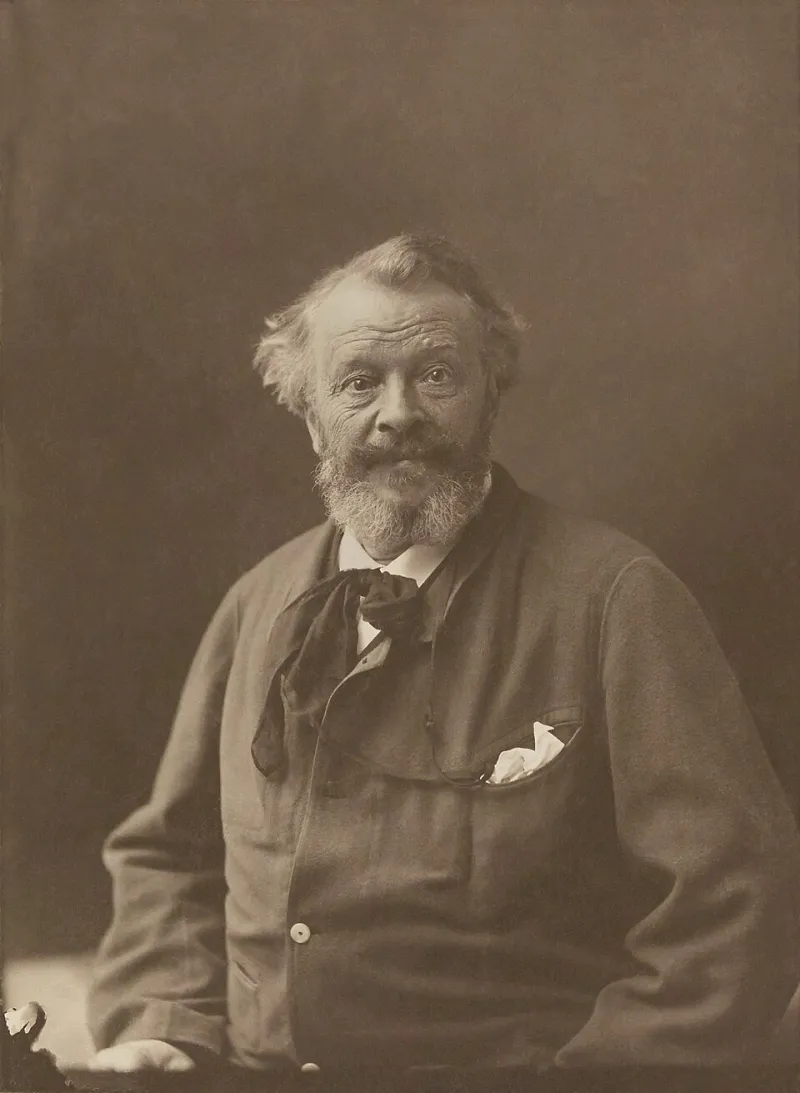
Photo: Nadar, Public domain, via Wikimedia Commons
Here's a fun exercise: open your website analytics and find the most-visited page after your homepage. If you have an About page, I'd bet good money it's near the top. People don't hire, follow, or buy from websites. They hire, follow, and buy from people — and the About page is where they go to decide if you're their person.
And yet most of us treat that page like a tax form we filled out once in 2021 and forgot about. I've audited dozens of creative sites — writers, designers, filmmakers — and the same seven mistakes show up again and again. Let's fix them.
Mistake 1: Burying the Lede
The most common sin. Your visitor wants to know three things in the first ten seconds: what you do, who you do it for, and why it matters to them. Most About pages open with your origin story instead.
Before: "Sam's journey began in a small town in Ohio, where a childhood love of comic books sparked a lifelong passion for visual storytelling..."
After: "I write and design brand stories for small businesses that sound like everyone else's website. If yours does, let's fix that."
The origin story isn't deleted — it moves down the page, where it earns trust instead of costing attention.
Mistake 2: Writing About Yourself in the Third Person
"Sam Granger is an award-winning creator who..." Stop. Unless your name is a law firm, third person reads like a press release written by someone who's never met you. First person is warmer, more direct, and converts better because it sounds like a human.
The exception: if your page doubles as a formal bio for press kits, link to that separately. Keep the About page personal.
Mistake 3: Listing Credentials Instead of Outcomes
Visitors don't actually care that you're "passionate about narrative-driven content." They care what changes in their life when they work with you.
Before: "Skilled in copywriting, editorial strategy, and multimedia production with over a decade of experience."
After: "I help publications turn ideas into stories readers finish. My work has helped three clients double their newsletter signups — and one land a book deal."
Credentials support the claim. They don't replace it.
Mistake 4: No Personality Whatsoever
There's a fear-driven blandness that creeps into About pages — the professional voice equivalent of a beige waiting room. But your About page's actual job is to filter: to make the right people say "oh, this is my kind of person" and give the wrong people permission to leave.
One line of genuine voice — a specific opinion, an honest quirk, a sentence only you would write — does more than a wall of adjectives. If your About page could belong to any of your competitors unchanged, it's not done.
Mistake 5: The Missing Photo (or the Wrong One)
Faces build trust; it's just how humans work. A dark, blurry, sunglasses-at-arms-length photo undermines everything the copy is doing. You don't need a studio shoot. You need decent light, a real expression, and a photo that looks like you on a good Tuesday — not a corporate headshot from an era you'd rather forget.
Mistake 6: Ending Without a Next Step
This one hurts because it's so easy to fix. Someone just read your whole About page, liked what they saw, and... nothing. No link, no invitation, no path forward. That's a sales letter that forgot to ask for the sale.
Close with one clear action: "Working on something like this? My inbox is open." Or point them to your three best pieces. One next step, not six.
Mistake 7: Never Updating It
An About page that says "recently" about something from three years ago quietly signals that the whole site might be a ghost town. Put a recurring reminder on your calendar — I do mine every January — to reread your About page and ask: is this still true? Is this still me? Would past-me's best client still recognize what I do now?
The Sixty-Second Test
Here's how you know when you've nailed it: hand your About page to a friend who knows nothing about your work. Give them one minute. Then ask three questions — What do I do? Who is it for? What should they do next?
If they can answer all three, congratulations: you've written a sales letter that doesn't feel like one. If they can't, you now know exactly which of the seven fixes to start with.
Your About page will probably be the most-read thing you publish this year. It's worth an afternoon.