The Work Nobody Sees Is Still Working: A Defense of Your Secret Portfolio

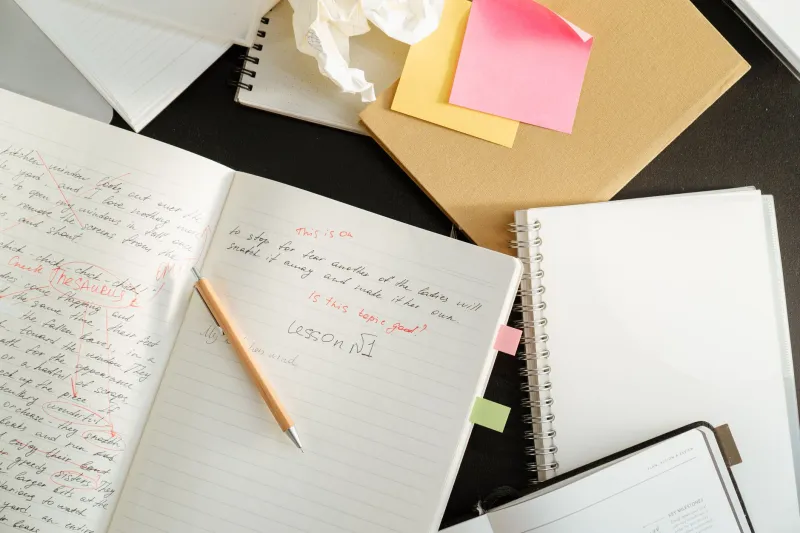
Somewhere on your hard drive — or buried in a notebook shoved under your bed, or living in a Google Doc you haven't opened in two years — there's a graveyard of unfinished, unpolished, never-shared work. Scenes that went nowhere. Stories that stalled out at page forty. Experiments that felt embarrassing even to you, the only audience they ever had.
Most creators treat that pile like evidence of failure. I want to make the case that it's actually the foundation everything else is built on.
The Pressure to Perform in Public Has Gotten Out of Hand
Here's something that's happened gradually, almost without anyone noticing: the culture around creative work has quietly merged with the culture around social media. And social media runs on one core assumption — that work only counts when it's visible.
Post your process. Share your drafts. Document the journey. Build in public. The advice is everywhere, and some of it is genuinely useful. But taken too far, it creates a creator who can't make a single move without imagining an audience for it. And that's a problem, because the most generative creative work — the kind that actually builds your craft — usually happens in the absence of any audience at all.
When you know someone is watching, you perform. Even slightly. Even unconsciously. You smooth the edges, you self-edit in real time, you make choices based on what will read well rather than what will teach you something. The work becomes a product before it's had a chance to be an experiment.
Mastery Gets Built in Private
Think about any skill you've genuinely developed — not just performed, but developed. Chances are, a lot of that growth happened when no one was grading you. The embarrassing early drafts. The imitation phase where you were basically just copying writers you loved until you found your own voice underneath it. The weird tonal experiments that went nowhere but taught you something about rhythm or pacing you couldn't have learned any other way.
That's not wasted effort. That's the actual mechanism of getting better.
Jazz musicians call it woodshedding — the hours and hours of private practice where you work on things that aren't ready for a stage. Athletes call it training. Writers, for some reason, have started calling it "not being productive enough" or "falling behind." That framing is doing real damage.
The private work is where you take risks you'd never take in public. It's where you write the scene that might be terrible, finish the draft that might be unsalvageable, try the structure that might completely fall apart. And sometimes it does fall apart — and that's the whole point. You needed to see what falling apart looked like so you'd know how to hold something together.
What a Secret Portfolio Actually Is
I'm not talking about perfectionism. This isn't a defense of hoarding work indefinitely because you're terrified of being judged. That's a different problem with a different solution.
A secret portfolio is something more intentional than that. It's the ongoing body of work you maintain for yourself — pieces you make because you're curious, because you're trying to solve a craft problem, because you want to write in a genre you'd never publicly claim, because you need to work something out on the page before you know what you actually think about it.
Some of it will eventually become public work. A lot of it won't, and that's fine. The value isn't in the output. The value is in what the making does to you.
Think of it as a parallel track running alongside your public output. One version of your work faces outward — it's edited, intentional, ready for an audience. The other version faces inward. It's messier, stranger, more honest in some ways, and it feeds the public work in ways that are hard to trace but impossible to fake.
Why Creators Stop Doing This (And What It Costs Them)
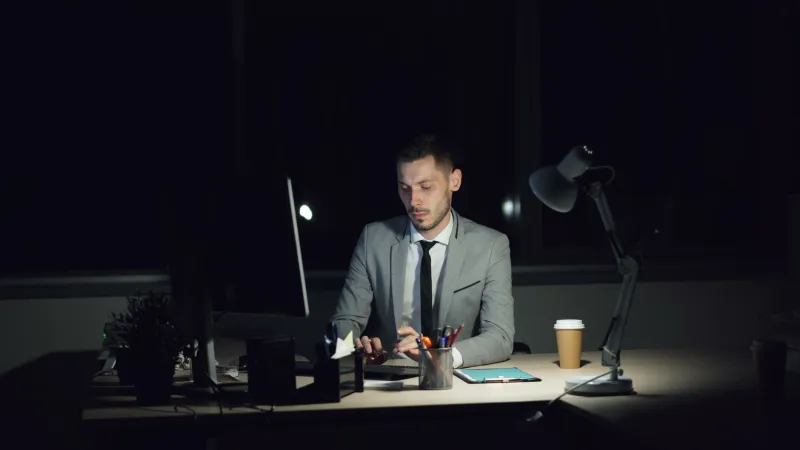
At some point — usually around the time a creator starts building any kind of audience — the private work tends to dry up. The pressure to produce shareable content crowds out the space for experimentation. Every hour spent on something that won't see the light of day starts to feel like an hour stolen from your "real" work.
But here's what actually happens when you stop working in private: your public work starts to calcify. You find yourself returning to the same moves, the same rhythms, the same structural approaches, because those are the ones that have already been validated. You stop surprising yourself. And eventually, you stop surprising your audience too.
The writers and storytellers who maintain longevity — who keep making interesting work ten or twenty years in — almost all have some version of a private practice running underneath the public one. It's the soil the visible work grows out of.
Protecting the Space Where You're Allowed to Be Bad
If there's a practical takeaway here, it's this: protect the space in your creative life where you're allowed to be bad.
Not bad in a performative, "look at my messy process" way. Actually, genuinely, privately bad — where no one will ever see it, where there's no narrative to construct around it, where it doesn't have to mean anything beyond the fact that you were trying something.
For some people that means keeping a notebook that never gets photographed for Instagram. For others it's a folder on their desktop labeled something deliberately unsexy so they're never tempted to share it. Whatever the container looks like, the point is the same: you're carving out a zone that's exempt from the pressure to produce, perform, or publish.
Your public work will thank you for it in ways you won't be able to fully explain. The voice will feel sharper. The risks will feel more considered. The work will have a quality that's hard to name but easy to feel — a sense that the person who made it has been somewhere, worked something out, developed a point of view that didn't just appear fully formed.
Because it didn't. It was built in private, piece by piece, in the work nobody ever saw.
And that work was working the whole time.